St. Louis-Style Frozen Custard: What It Is and How to Make It at Home
October 11, 2026 - Frozen Custard
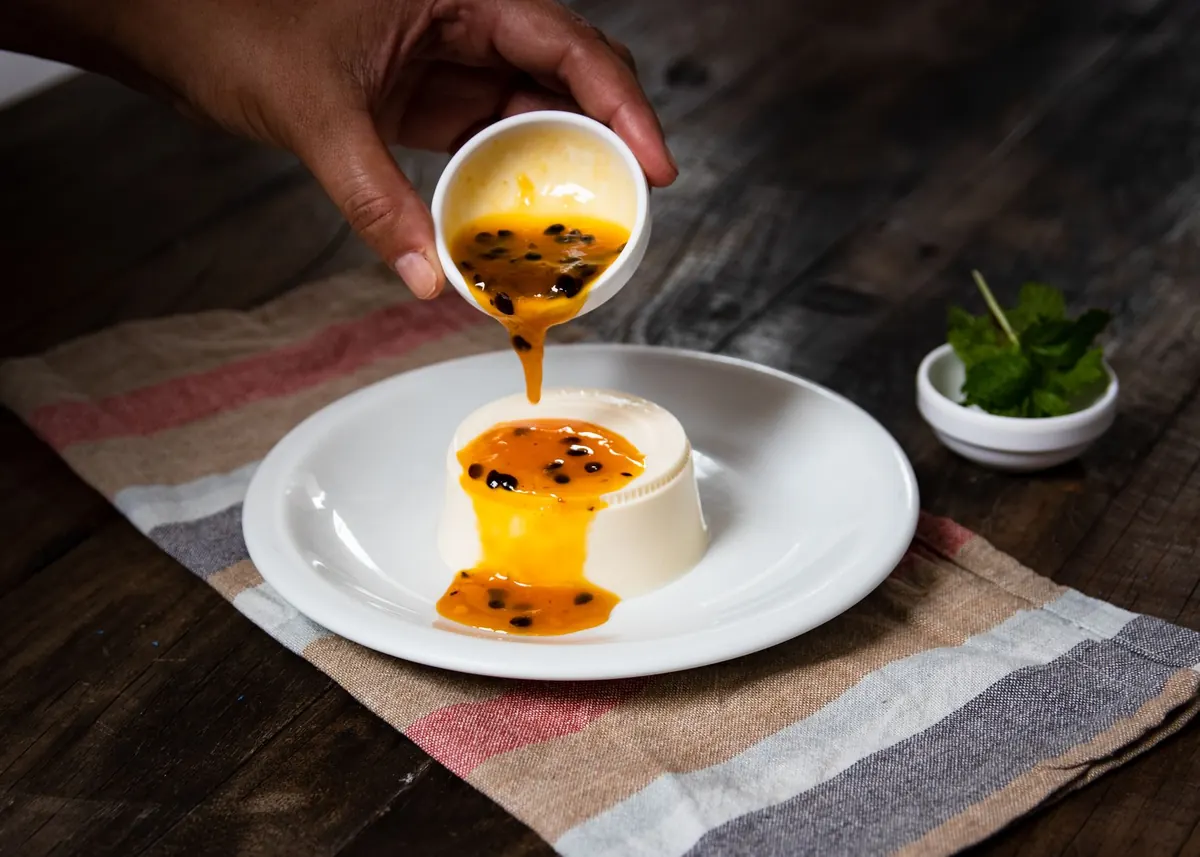
Crème anglaise is four ingredients and about eight minutes of work, which is exactly why it's so irritating when it goes wrong. You step away for fifteen seconds, and a glossy vanilla sauce turns into something that looks like sweet scrambled eggs. The good news: most failures are recoverable, and nearly all of them are preventable once you identify which variable slipped.
Work through this checklist in order. Fix the heat first, then the texture, then decide whether the batch is worth saving or better put to use somewhere else.
Three pieces of equipment decide whether this goes smoothly: a heavy-bottomed saucepan, a whisk you can work fast with, and an instant-read thermometer. The heavy base matters because thin pans create hot spots, and hot spots are where curds form. If you only own a lightweight pan, lower the heat and stir more often than feels necessary.
Keep a bowl of ice water within arm's reach before you turn on the burner. You cannot improvise one while your sauce is thirty seconds from breaking.
As for ratios, a reliable starting point is five egg yolks to two cups of dairy, with roughly a quarter cup of sugar. More cream in that dairy mix gives you a more forgiving sauce; more milk gives you a leaner, more delicate one that curdles faster. Sugar is not just there for sweetness — it interferes with the proteins in the yolks and raises the temperature at which they clump. Cutting sugar to "make it healthier" is one of the most common reasons a custard turns grainy.
The sauce looks separated, with visible streaks or small pale specks suspended in thin liquid. This is egg protein that has overcooked and squeezed out water. Mild curdling shows as a few flecks; severe curdling looks like a broken, lumpy soup.
The sauce runs off the spoon in a watery stream instead of coating the back of it. Dip a spoon in, swipe your finger through the coating, and see if the line holds. If the gap fills back in immediately, it's undercooked.
It pours fine but feels like fine sand on your tongue. Usually the pan got too hot at the bottom, or the yolks were never fully whisked with the sugar before the hot dairy hit them.
Pull the pan at 82°C, not 85°C. The two seconds you save by pushing it further are never worth the batch.
First, confirm it's actually undercooked. Warm crème anglaise is always thinner than chilled crème anglaise, so a sauce that looks disappointing right off the stove may be exactly right once it's cold. Test it after chilling before you intervene.
If it's still loose when cold, the ratio is off — too much dairy for the number of yolks. Return it to low heat and reduce it gently, stirring constantly, until it coats the spoon. Alternatively, whisk in an extra yolk tempered with a spoonful of the warm sauce. A knob of butter stirred in at the end won't fix the structure, but it does add body and a rounder flavour.
A teaspoon of cornstarch slaked in cold milk and simmered into the sauce for a minute will thicken it reliably, but be honest with yourself about the result: you now have something closer to a light pastry cream than a true pouring custard. For a sauce served over berries or cake, nobody will object. For a plated dessert where the sauce is the point, start again.
Graininess usually comes from the bottom of the pan, where the custard sits against direct heat. Use a spatula or flat-edged whisk and stir in a figure-eight pattern that scrapes the corners, not just the center. Once grainy, straining will remove most of the offending particles, and a brief blend will smooth the rest. If the texture stays sandy, use the batch as a base for ice cream or a baked custard, where the extra straining is invisible.
Badly scrambled crème anglaise is not worth fighting. The egg has set, and no amount of whisking will undo it. Strain out the solids, keep the sweet liquid, and fold both into a bread pudding, a custard for French toast, or the base of a trifle. Alternatively, cool it, blend it with a splash of cream, and churn it — the sugar and vanilla are still there, and the texture problem disappears in the freezer.
For a sauce you're serving as-is, though, give yourself permission to start over. Five minutes and a few yolks is a cheaper price than an unremarkable plate. Next time, keep the ice bath ready, keep the heat low, and pull the pan early.
Photo: Eric Melo / Pexels
St. Louis-style frozen custard is denser, richer and silkier than ice cream. Here is what defines it and how to make...
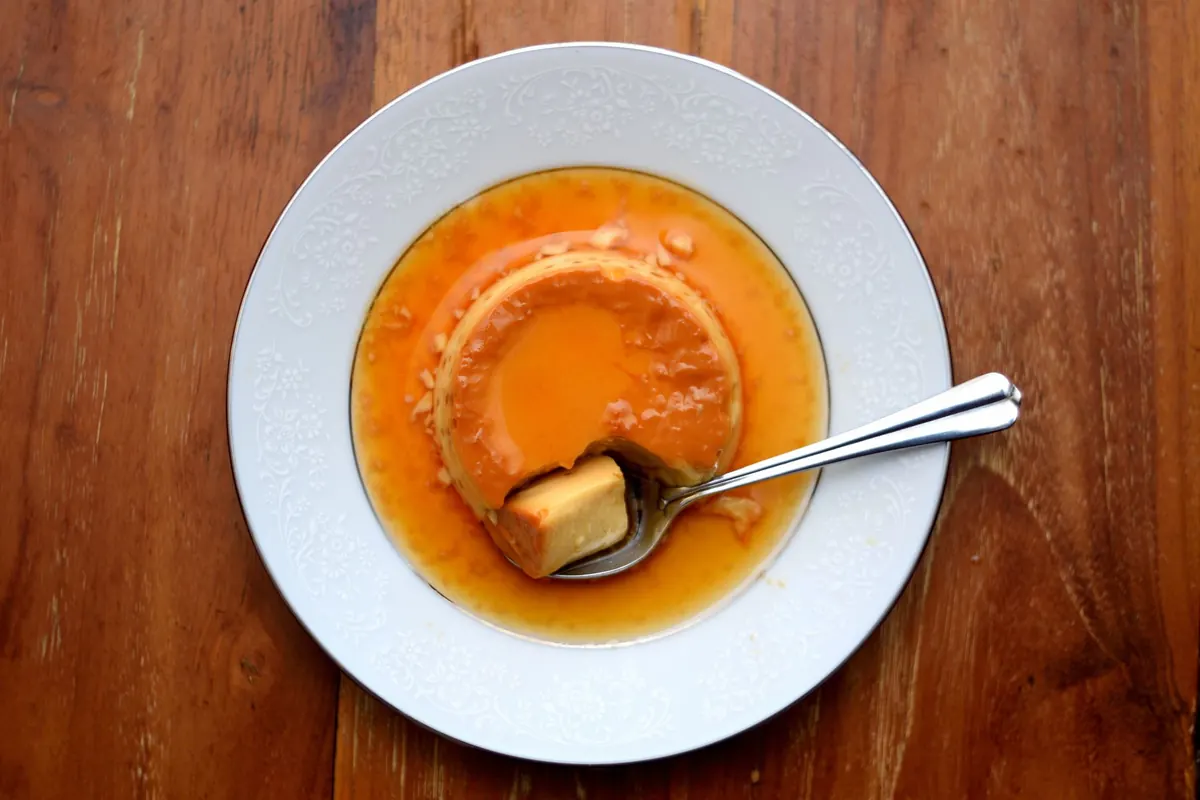
Learn the two cues that tell you a baked custard is done: the jiggle test at the center and an internal temperature...
Copyright © 2026 Custard Desk. All Right Reserved.